

How to Foster Creativity in Children: Practical, Research‑Backed Strategies for Parents and Teachers
Why creativity matters now Creativity in early childhood predicts later problem‑solving, adaptability and motivation. Global reviews and policy reports stress that early creative experiences are foundational for lifelong learning and equity in education.
CREATIVITY & PLAY
@timbiu
2 min read
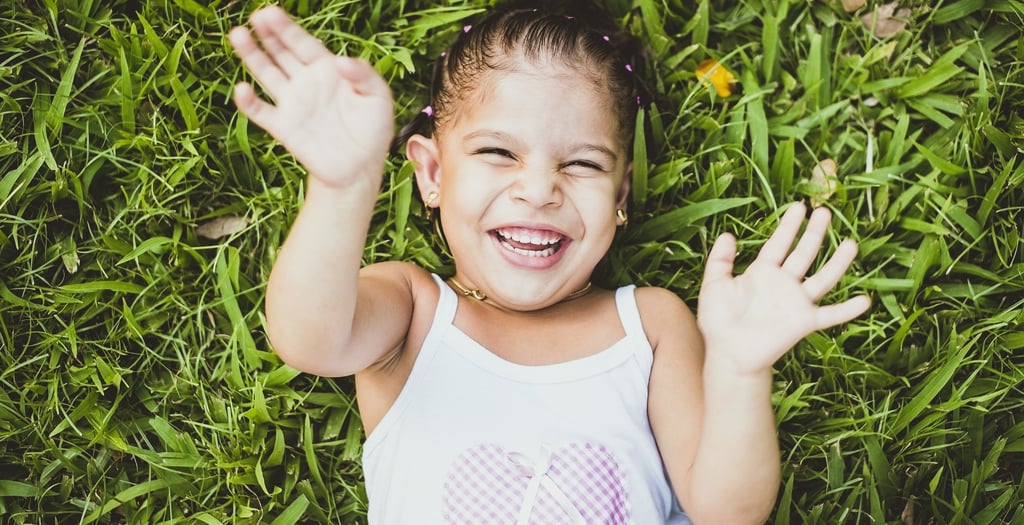

Five practical, research‑backed strategies
1. Let them experiment — without immediate correction.
Encourage trial and error: ask “What made you choose that?” rather than correcting. Child‑led exploration strengthens divergent thinking and resilience. Allowing mistakes is essential for creative risk‑taking.
2. Create a dedicated, low‑rule creative corner.
A small, always‑available space with paper, crayons, blocks and loose parts invites spontaneous play. Unstructured playtime supports executive functions and social‑emotional skills. Aim for 10–20 minutes daily of free creative time.
3. Use everyday moments as creative prompts.
Turn walks, cooking or museum visits into mini‑inquiry sessions: “What would happen if…?” or “How else could we use this?” These questions stimulate hypothesis‑making and imaginative problem solving. Everyday routines are high‑value learning moments.
4. Praise effort and process, not only the product.
Say “I noticed how long you worked on this” instead of only “Great drawing.” Process‑focused feedback builds intrinsic motivation and persistence — key drivers of creative achievement.
5. Model curiosity and tolerate imperfection.
Children imitate adults’ attitudes toward uncertainty. Show your own curiosity, narrate your thinking, and accept imperfect outcomes. Parental autonomy support correlates with higher creative tendencies in children.
Quick activities you can start this week
Coloring with a twist: give a theme (e.g., “design a new park”) and ask for three different color schemes. This trains planning and flexibility.
Loose‑parts storytelling: scatter small objects and ask your child to invent a story using at least three items.
Two‑minute invention challenge: set a timer and ask for a new use for a household object.
Risks, limits and what to avoid
Don’t over‑structure: too many rules reduce creative output.
Creativity needs variety: combine free play with guided activities and social interaction.
Equity note: access to safe play spaces and materials matters — public programs and libraries in Warszawa can help bridge gaps.
Short takeaway
Small, consistent choices — open materials, curiosity questions, and process‑focused praise — produce measurable gains in creativity and related skills. Start with 10–20 minutes daily and observe changes in persistence, idea fluency, and confidence.
Sources / Inspirations: Children’s Creativity: A Theoretical Framework and Systematic Review; Global Report on Early Childhood Care and Education (UNESCO/UNICEF); The Importance of Play in Promoting Healthy Child Development (AAP, Pediatrics); The Importance of Play for Children (National Institute for Play); Parenting practices and creativity research (Taylor & Francis; MDPI studies).
Source: photo pixabay
Disclaimer
The information in this blog post is for general information and learning only. It is not professional medical, psychological, or legal advice. We prepare content carefully and base it on reputable sources, but we cannot guarantee it is complete or perfectly accurate.
You are responsible for how you use the ideas and suggestions in this post.
The author and website are not liable for any losses, damages, or other consequences that may result from using this content.
This is not a substitute for professional help. If you have concerns about a child’s emotional, developmental, or behavioral needs, please consult a qualified professional (for example, a pediatrician, child psychologist, or licensed therapist).
Walk gently. Walk together.


TIMBIU™
Strength, gently held.
© 2026 TIMBIU™. All rights reserved. All characters, illustrations and texts are protected by copyright.