

How Coloring Helps Kids Regulate Emotions
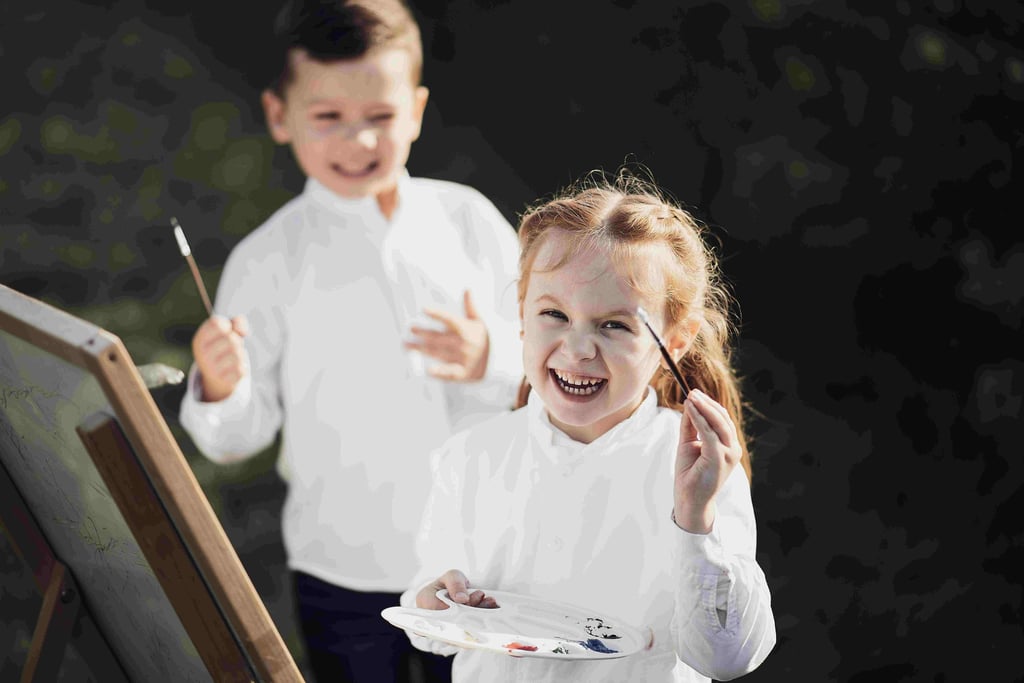
Children’s emotions can be intense and changeable. That’s normal, but we can support young children in recognizing and managing feelings. Conversation helps, but so do play, creativity, and simple tools like coloring.
EARLY CHILDHOOD EDUCATION
@timbiu
2 min read
What Is Self‑Regulation and Why It Matters
Self‑regulation is the ability to notice one’s emotions and respond in safe, appropriate ways. Children who learn to calm themselves and focus tend to do better in preschool and school, form stronger relationships, and learn more effectively. Self‑regulation is a skill that can be taught and practiced.
How Coloring Supports Emotional Regulation
Coloring is more than a pastime; it can serve therapeutic and educational roles:
Mindfulness tool — focusing on color and hand movement brings attention to the present moment.
Emotional outlet — color choices and intensity can reflect a child’s mood.
Opportunity for connection — coloring together encourages conversation and bonding.
Practice in control and confidence — choosing colors and how to fill a page builds agency.
When designing materials, include simple motifs, fillable areas, brief breathing prompts, and empathetic characters to support these processes.
Practical Ways to Use Coloring Daily
Talk about feelings — ask: How are you feeling today? What made you smile?
Breathing exercises — do a few deep breaths before coloring, e.g., “blow out the candle.”
Create routines — short coloring sessions in the morning or after preschool help transition the day.
Model behavior — show how you manage emotions and describe your steps.
Shared projects — encourage pair or small‑group coloring to practice cooperation and empathy.
Reflect after activity — ask what the child wanted to express with color and how they feel now.
Educational Materials and the Caregiver’s Role
Coloring books designed for emotional development can be effective educational tools. Materials should combine simplicity with prompts that invite reflection and play. The adult’s role is to accompany, observe, and gently guide conversation rather than evaluate the child’s artwork.
Summary
Coloring is an accessible, low‑cost, child‑friendly method to support self‑regulation. Combined with conversation, routines, and modeled behavior, it offers tangible benefits for emotional and social development. Encourage creative expression and accompany children in that learning.
Institutional Sources of Inspiration: Harvard Center on the Developing Child; UNICEF; World Health Organization; American Academy of Pediatrics; Zero to Three; National Association for the Education of Young Children; Preschool Neuroscience Summit.
Source: photo freepik
Disclaimer
The information in this blog post is for general information and learning only. It is not professional medical, psychological, or legal advice. We prepare content carefully and base it on reputable sources, but we cannot guarantee it is complete or perfectly accurate.
You are responsible for how you use the ideas and suggestions in this post.
The author and website are not liable for any losses, damages, or other consequences that may result from using this content.
This is not a substitute for professional help. If you have concerns about a child’s emotional, developmental, or behavioral needs, please consult a qualified professional (for example, a pediatrician, child psychologist, or licensed therapist).
Walk gently. Walk together.


TIMBIU™
Strength, gently held.
© 2026 TIMBIU™. All rights reserved. All characters, illustrations and texts are protected by copyright.